
All Manga: anime adapted from manga, and where to watch it
All about anime from manga
From The Rose of Versailles, Candy Candy and Tomorrow's Joe to Hunter x Hunter, NANA, Mushi-Shi and Chihayafuru, from Planetes and Space Brothers to Usagi Drop, Golden Kamuy and The Apothecary Diaries, arranged by the magazines' readers: shōnen, shōjo, seinen and josei. Pick a title and press Watch now.
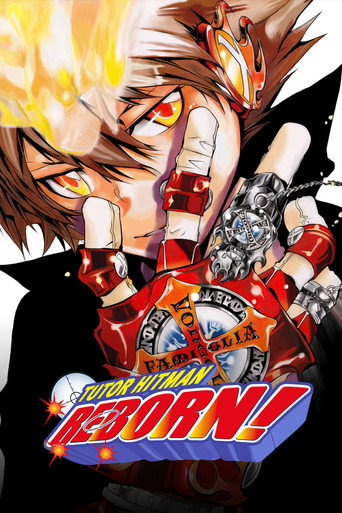 203 epsREBORN!家庭教師ヒットマン REBORN!2006
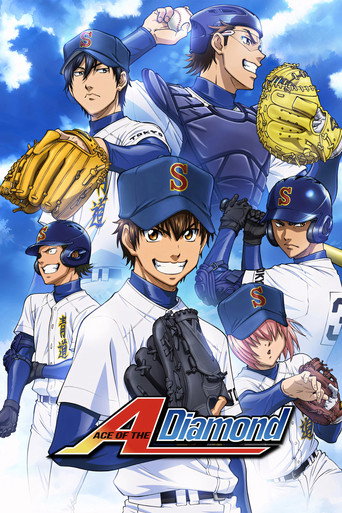 192 epsAce of the DiamondダイヤのA2013
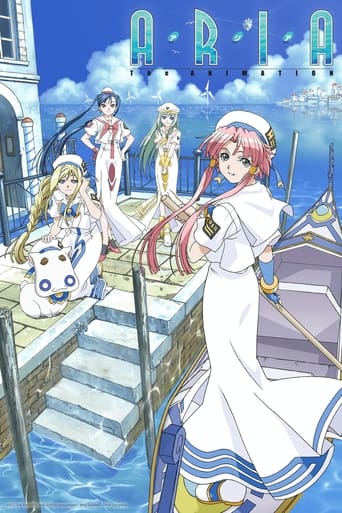 52 epsAriaARIA2005
 62 epsHunter x HunterHUNTER×HUNTER1999
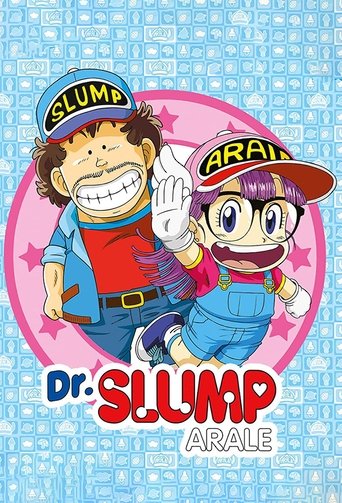 243 epsDr. SlumpDr.スランプ アラレちゃん1981
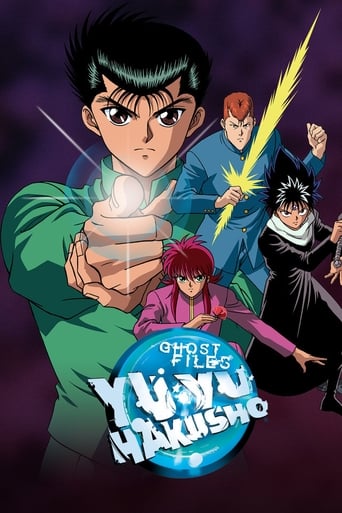 112 epsYu Yu Hakusho幽☆遊☆白書1992
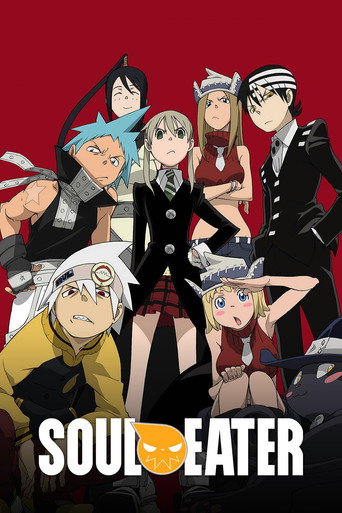 51 epsSoul Eaterソウルイーター2008
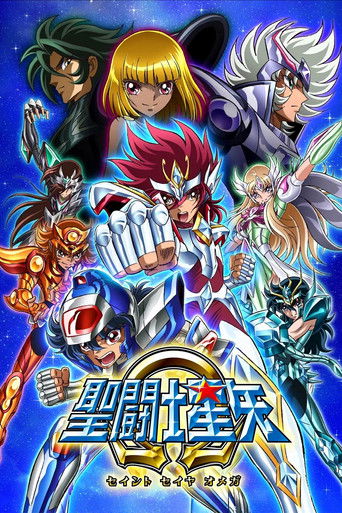 97 epsSaint Seiya Omega聖闘士星矢Ω2012
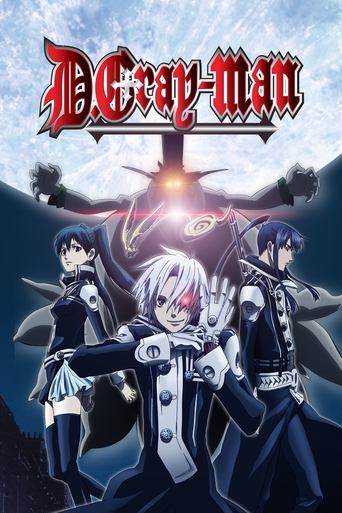 103 epsD.Gray-man2006
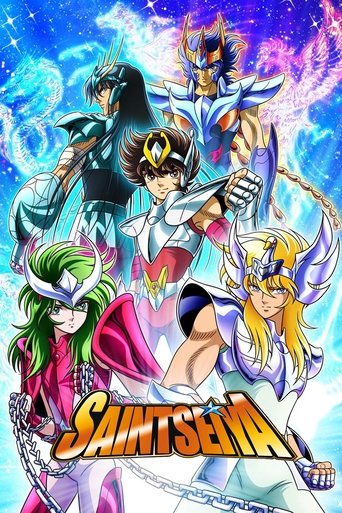 114 epsSaint Seiya聖闘士星矢1986
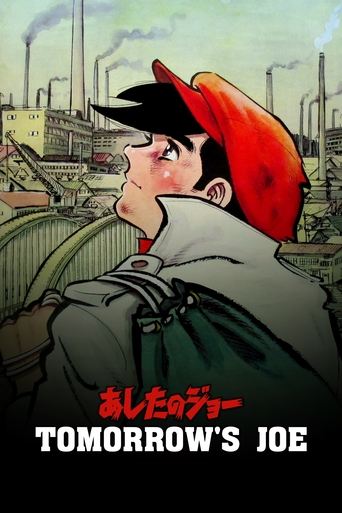 126 epsTomorrow's Joeあしたのジョー1970
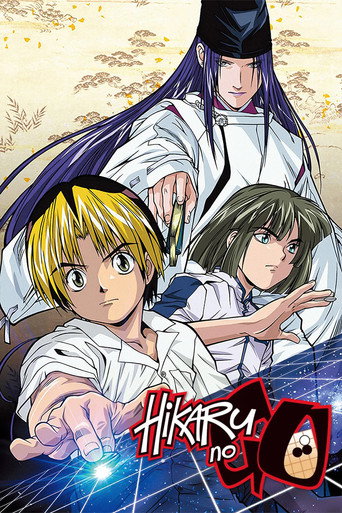 75 epsHikaru no Goヒカルの碁2001
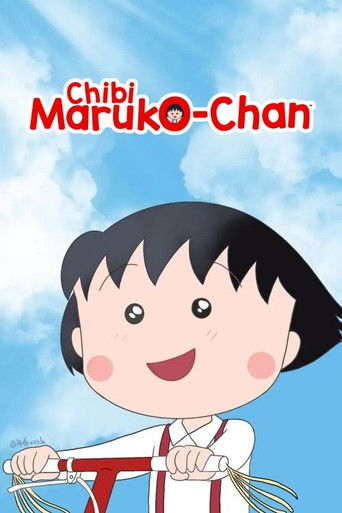 1691 epsChibi Maruko-chanちびまる子ちゃん1990
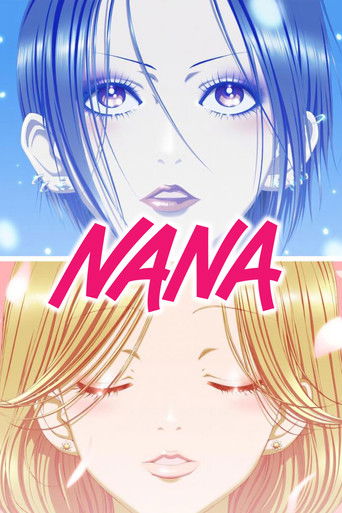 47 epsNANA2006
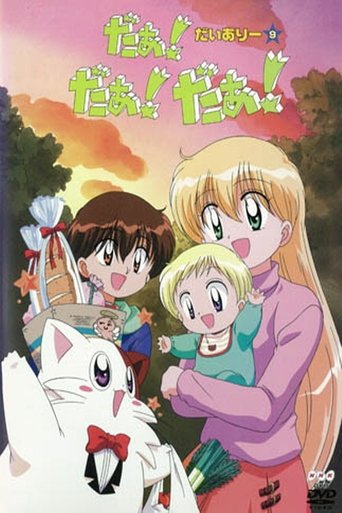 78 epsDaa! Daa! Daa! UFO Babyだぁ! だぁ! だぁ!2000
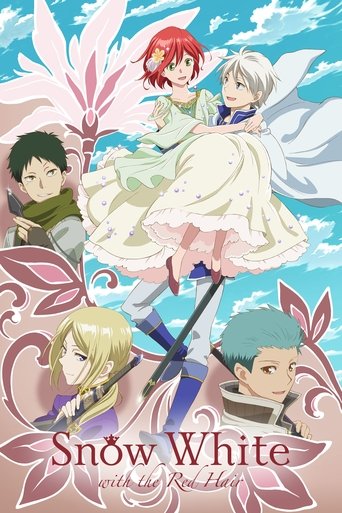 24 epsSnow White with the Red Hair赤髪の白雪姫2015
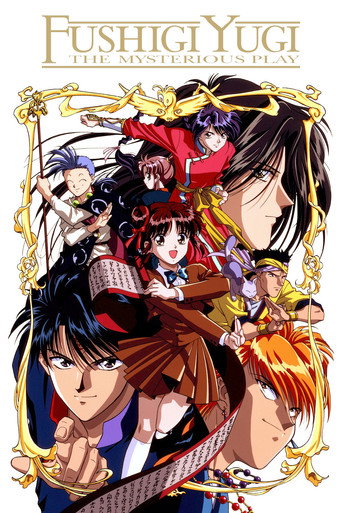 52 epsFushigi Yugi: The Mysterious Playふしぎ遊戯1995
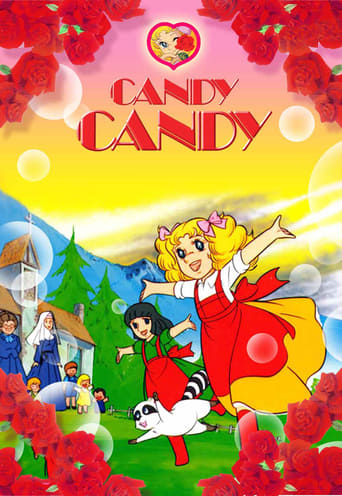 115 epsCandy Candyキャンディ・キャンディ1976
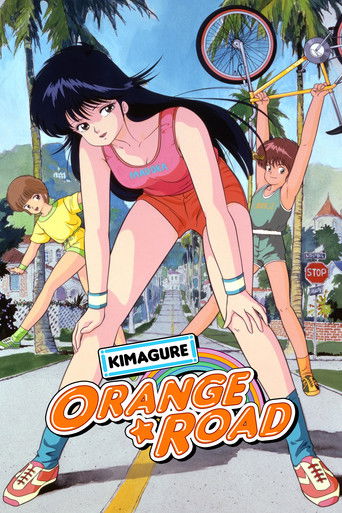 48 epsKimagure Orange Roadきまぐれオレンジ☆ロード1987
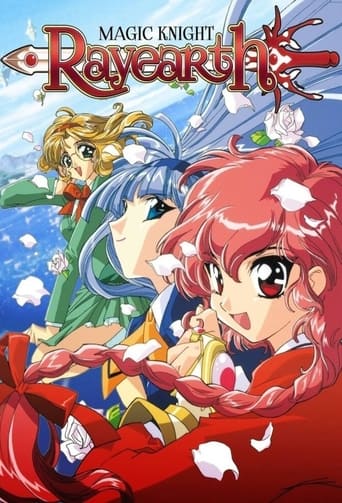 49 epsMagic Knight Rayearth魔法騎士レイアース1994
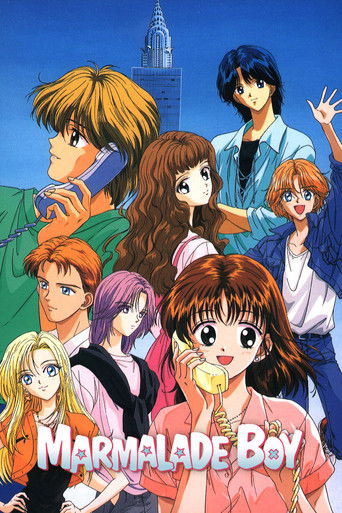 76 epsMarmalade Boyママレード・ボーイ1994
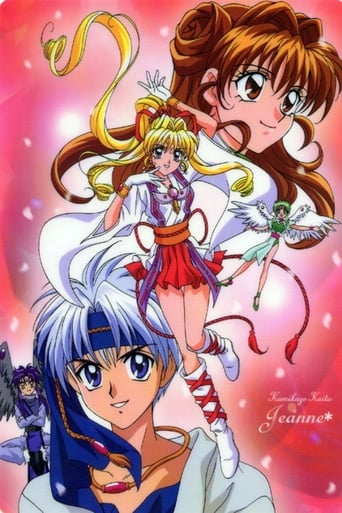 44 epsKamikaze Kaitou Jeanne神風怪盗ジャンヌ1999
 40 epsThe Rose of Versaillesベルサイユのばら1979
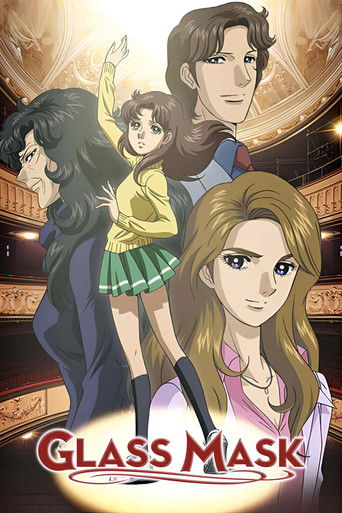 51 epsGlass Maskガラスの仮面2005
 81 epsInitial D頭文字D1998
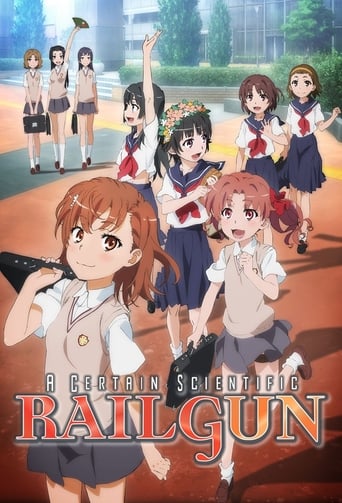 73 epsA Certain Scientific Railgunとある科学の超電磁砲2009
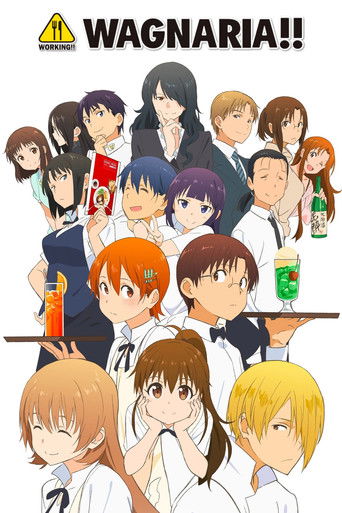 39 epsWagnaria!!WORKING!!2010
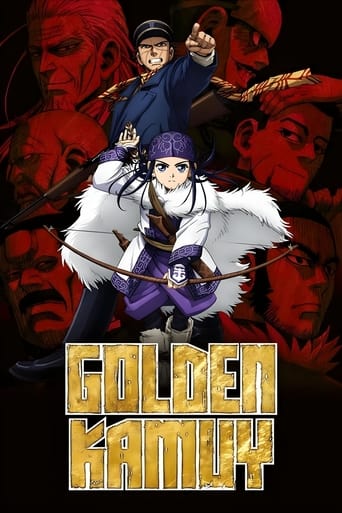 62 epsGolden Kamuyゴールデンカムイ2018
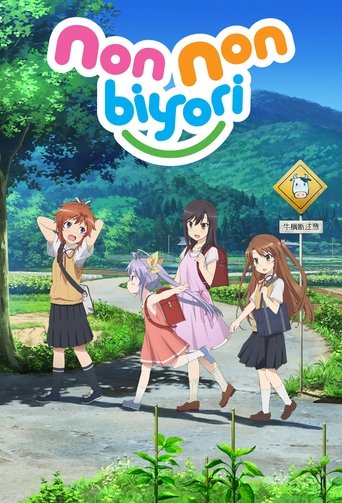 36 epsNon Non Biyoriのんのんびより2013
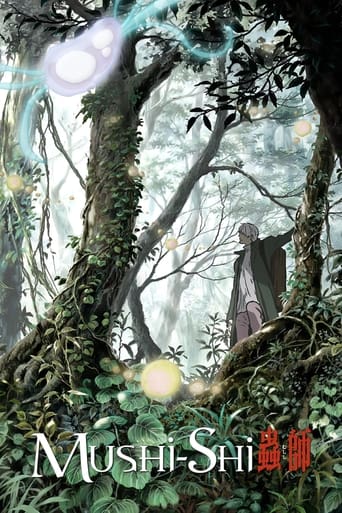 46 epsMushi-Shi蟲師2005
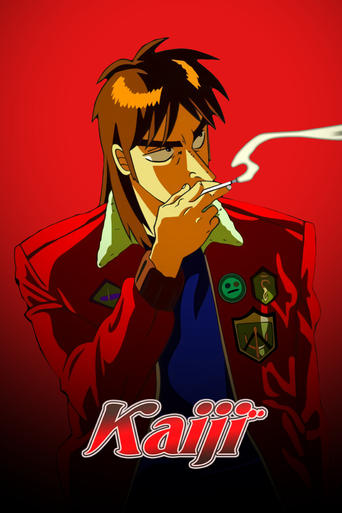 52 epsKaiji逆境無頼カイジ2007
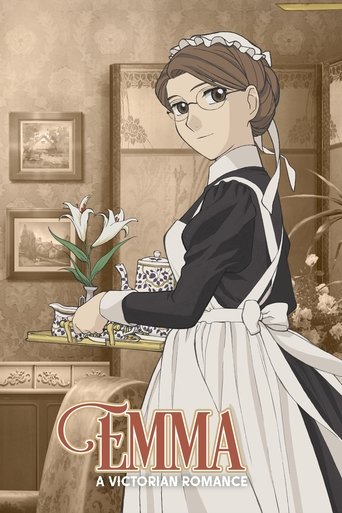 24 epsEmma: A Victorian Romance英國戀物語エマ2005
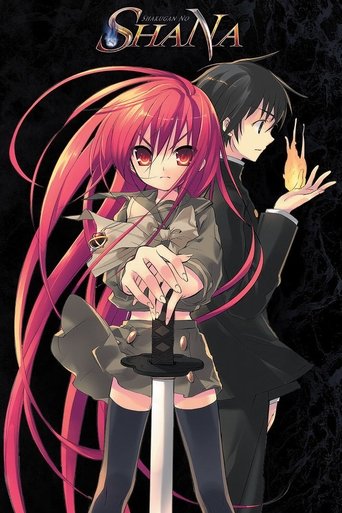 72 epsShakugan no Shana灼眼のシャナ2005
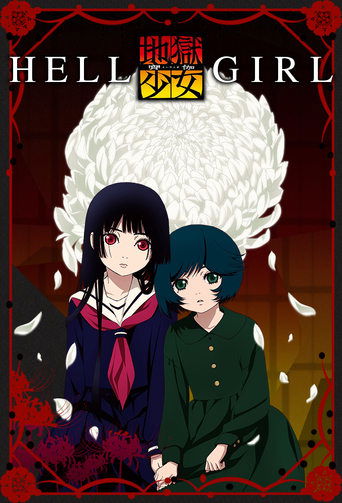 90 epsHell Girl地獄少女2005
 36 epsK-ON!けいおん!2009
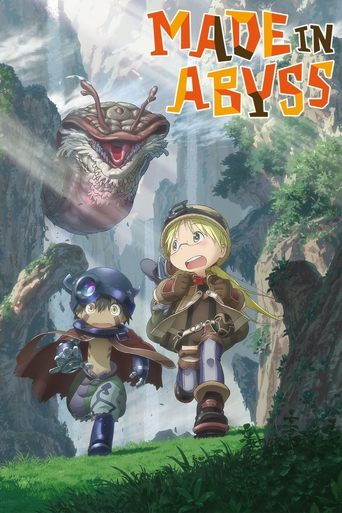 25 epsMade in Abyssメイドインアビス2017


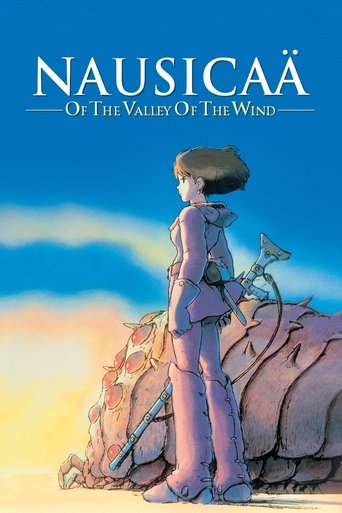 FilmWarriors of the Wind風の谷のナウシカ1984
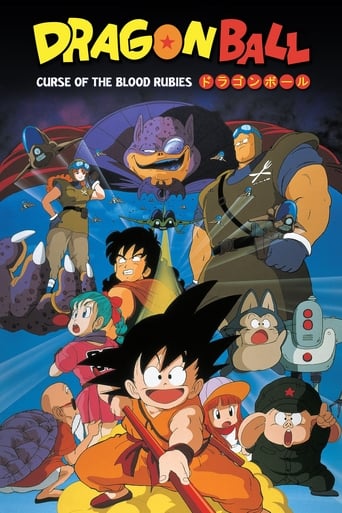 FilmDragon Ball: Curse of the Blood Rubiesドラゴンボール 神龍の伝説1986
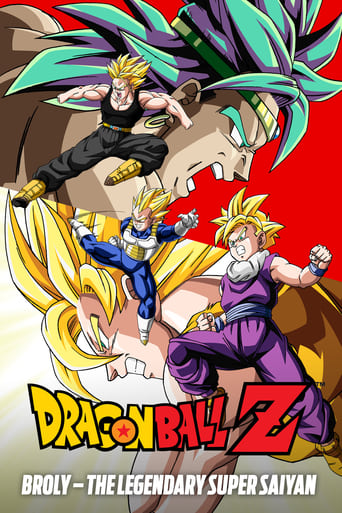 FilmDragon Ball Z: Broly - The Legendary Super SaiyanドラゴンボールZ 燃え尽きろ!!熱戦・烈戦・超激戦1993
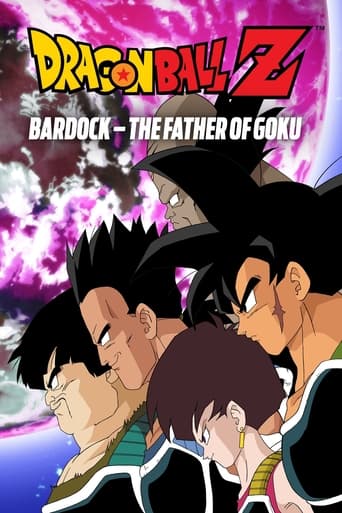 FilmDragon Ball Z: Bardock - The Father of GokuドラゴンボールZ たったひとりの最終決戦〜フリーザに挑んだZ戦士 孫悟空の父〜1990
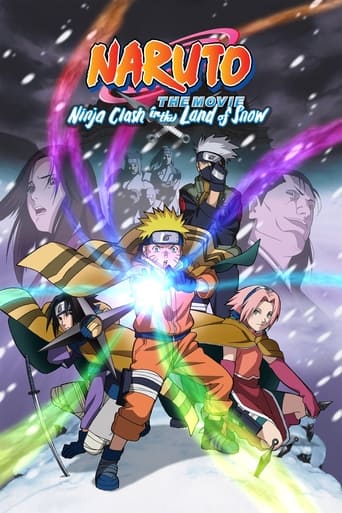 FilmNaruto the Movie: Ninja Clash in the Land of Snow劇場版 NARUTO 大活劇! 雪姫忍法帖だってばよ!!2004
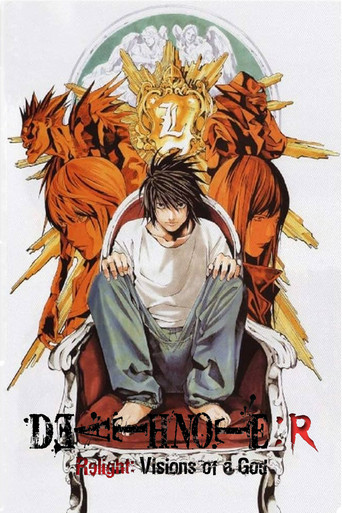 FilmDeath Note Relight 1: Visions of a GodDEATH NOTE リライト ~幻視する神~2007
- How to watch with All MangaFrom the chapter shelf to episode one.
- The four readershipsShōnen, shōjo, seinen and josei explained.
- Shōjo anime on All MangaRomance, magic and growing up.
- Seinen anime on All MangaStories for grown-up readers.
- Josei anime on All MangaWork, love and everyday life.
- Sports anime on All MangaRackets, bats, gloves and bicycles.
- Subtitles and dubsJapanese audio and English tracks.
- The official All Manga siteRecognising All Manga.
- Is All Manga working?A quick check and simple fixes.
- Where All Manga titles streamThe official services behind the guide.
- Apps and devicesPhones, tablets, laptops and TVs.
- Free animeLegal ways to watch at zero cost.
- Streaming safelyA short checklist.
- Finding a titleSearch in English or Japanese.
- My ListSaving series and following episodes.
All Manga: anime adapted from manga, from Tomorrow's Joe and The Rose of Versailles to NANA, Mushi-Shi, Planetes and Usagi Drop
All Manga first appeared as a dark, minimal gateway with two doors side by side: a blue one for anime and a green one for manga. The new All Manga keeps that striking pairing and brings the two sides together. It is a guide to anime that began as manga, the Japanese comics that have inspired the great majority of the anime ever made, and it arranges those adaptations the way Japanese readers first met them: by the magazines they appeared in, and the readers those magazines were written for. Every title has a Watch now button that opens it on the official services in your country.
In Japan, manga are published first in weekly or monthly magazines, each aimed at a particular readership, before being collected into books. Magazines for teenage boys are called shōnen, for teenage girls shōjo, for adult men seinen, and for adult women josei. The labels describe the audience rather than the content, and many of the best stories are loved far beyond their intended readers, but they are a wonderful way to understand the variety of Japanese storytelling. All Manga uses them as its chapters, and adds shelves for healing slice-of-life, sports, romance, the supernatural and stories about work and craft.
The All Manga design
The archived capture of allmanga.to from January 2026 preserves the site's front page and style sheet, and the design here is measured from them. The page is pure black. A dark indigo bar runs across the top and down the left side, where a slim rail carries labels set vertically in tall, condensed capitals. Menus open on panels of a slightly lighter indigo. In the centre of the front page stands the title ALL MANGA in an elegant serif, followed by a pinwheel drawn in white lines, and below it two buttons joined edge to edge: a deep blue one with a small television and a deep green one with a small book. A typewriter-style tagline and a quiet invitation to scroll complete the page.
All Manga keeps every one of those elements. The serif is Playfair Display, the condensed rail face is Anton, the typewriter lines use Courier Prime, and the body text is set in Raleway. The logo pairs the white pinwheel with the words ALL MANGA, and the favicon shows the pinwheel above a stripe of blue and green.
The bar and the rail
The indigo bar stays at the top as you scroll. On the left are a menu button and the pinwheel wordmark, which always leads home; next come the main links, Home, Series, Films, Shōnen, Shōjo and the A-Z index, then a search field that accepts English and Japanese titles and a green My List button. On a laptop, the slim rail down the left edge carries four vertical labels, Shōnen, Shōjo, Seinen and Josei, so you can jump to a readership from anywhere on the page. On a phone, the rail folds away and everything lives behind the menu button. The finding a title guide explains the search field.
The landing
The home page opens with the original's calm landing. In the middle of the black page stand the serif title and the pinwheel, then the site's heading, then the two joined buttons: the blue one opens every anime series on the shelves, and the green one opens the full list of collections, arranged by readership and mood. Beneath them sits the typewriter tagline, All about anime from manga, a short introduction, and the invitation to scroll that leads into the chapters below.
The chapters
Below the landing, the shelves are laid out like chapters of a manga volume. Each begins with a typewriter line, Chapter 01, Chapter 02 and so on, then a serif heading, a line describing the readership or mood, and an All titles link. The first four chapters are the four readerships, followed by healing anime, stories of work and craft, films and the classics. The posters have a crisp shadow offset to one side, like a page lifted from a stack, which turns blue when you point at it. A small blue tag gives the number of episodes for a series, or a green tag marks a film, and beneath each poster you will find the English title, the original Japanese title and the year.
The title page
Each anime has a page of its own, where the poster sits beside the English and Japanese titles, the year, the genres and the rating, followed by a synopsis and the main voice cast. For a series, every season is listed with its episodes and their first air dates, and you can tick off each episode as you go. Next to the poster, pick your country and press Watch now to see on JustWatch which official services carry the anime there. The how to watch guide explains every step.
Shōnen: adventure, rivalry and friendship
Shōnen manga, written for teenage boys, are famous for their energy: heroes who train, fight, lose, train harder and win, surrounded by loyal friends and memorable rivals. Weekly Shōnen Jump, the best-selling of these magazines, has launched many of the most famous anime ever made. Yu Yu Hakusho, from Yoshihiro Togashi, follows a delinquent teenager who dies saving a child and returns as a spirit detective, and Togashi's later Hunter x Hunter follows a boy searching for his missing father through a world of licensed adventurers. D.Gray-man follows a young exorcist fighting demons in an alternate nineteenth century, and REBORN! turns a clumsy schoolboy into the heir of a mafia family.
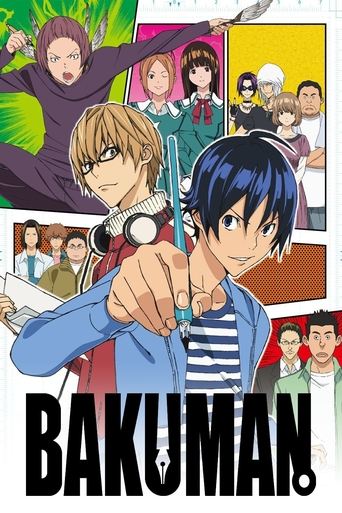
Shōnen stories are just as often about games, crafts and sports. One much-loved series follows a sixth-grader guided by the ghost of a master of the board game Go from the Heian period, and it inspired a boom in Go among young people across Asia. Bakuman, from the creators of Death Note, follows two teenagers determined to become professional manga artists and get their work into a weekly magazine, a loving portrait of the industry itself. Eyeshield 21, The Prince of Tennis and Captain Tsubasa turned American football, tennis and football into shōnen epics. The Shōnen shelf gathers forty-five of them.
Shōjo: romance, magic and growing up
Shōjo manga, written for teenage girls, have produced some of the most influential stories in Japanese culture. The Rose of Versailles, from Riyoko Ikeda, tells the story of Oscar, a woman raised as a man to command the royal guard at Versailles in the years before the French Revolution; its anime of 1979 remains a landmark. Candy Candy follows an orphan girl growing up in America and Britain in the early twentieth century, and Glass Mask follows a poor girl with an astonishing gift for acting and her rivalry with a gifted actress from a famous family.
The 1990s and 2000s brought new favourites. Fushigi Yugi: The Mysterious Play pulls a schoolgirl into the pages of an ancient Chinese book, Magic Knight Rayearth, from the collective CLAMP, sends three girls to a magical world, and Fruits Basket, from Natsuki Takaya, follows an orphaned high-school girl who discovers that members of the family she lives with turn into animals of the zodiac when hugged. Skip Beat! follows a young woman who enters show business to take revenge on the pop idol who used her, and Snow White with the Red Hair follows a herbalist with striking red hair who becomes a court pharmacist. The shōjo guide and the Shōjo shelf gather them.
Seinen: stories for grown-up readers
Seinen manga, written for adult men, have the widest range of all, from quiet meditations to sprawling adventures. Mushi-Shi, from Yuki Urushibara, follows Ginko, a wandering expert in mushi, the simplest forms of life, through a timeless Japanese countryside; each episode is a self-contained story of mist, forests and gentle strangeness, and it is one of the most beautiful anime ever made. Planetes, from Makoto Yukimura, follows a crew of space-debris collectors in the 2070s, a thoughtful workplace drama about dreams, loss and the everyday reality of life in orbit.
Master Keaton, from Naoki Urasawa, follows a half-Japanese, half-British insurance investigator who is also a former special-forces soldier and an archaeologist, travelling across Europe to solve cases with his wits. Kaiji follows a debt-ridden young man drawn into a series of high-stakes gambling games, Golden Kamuy follows a veteran and an Ainu girl hunting for hidden gold in Hokkaido, and Girls' Last Tour follows two girls wandering the ruins of a vast city on a little tracked vehicle, finding joy in small things. The seinen guide and the Seinen shelf continue the chapter.
Josei: work, love and everyday life
Josei manga, written for adult women, tell stories about careers, friendships, romance and the complicated business of growing up after school. NANA, from Ai Yazawa, is one of the best-loved: two young women who share the name Nana meet on a train to Tokyo and end up sharing an apartment, one a sweet-natured romantic and the other the fierce singer of a punk band, and their friendship carries them through love, ambition and heartbreak. Yazawa's Paradise Kiss follows a studious high-school girl who is recruited as a model by a group of fashion students.
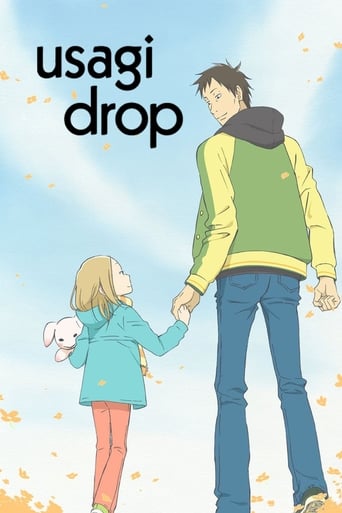
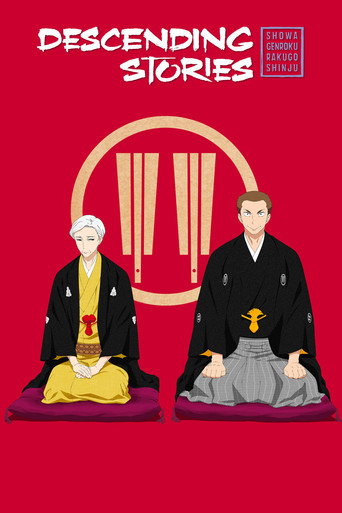
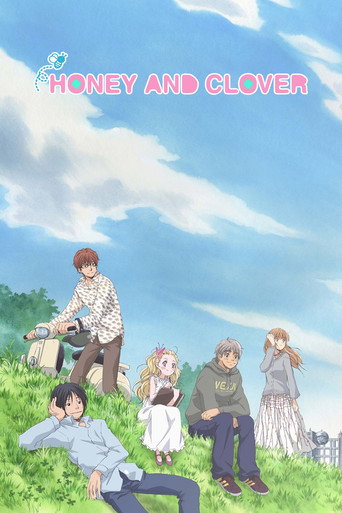
Usagi Drop, from Yumi Unita, follows a young office worker who, at his grandfather's funeral, decides on the spot to raise the six-year-old girl the old man left behind, a tender, funny story about an unexpected family. Honey and Clover follows a group of art-school students in love with the wrong people, Wotakoi: Love Is Hard for Otaku follows two office workers who are secretly devoted fans of games and manga, and Descending Stories follows a young ex-convict who becomes the apprentice of a great performer of rakugo, the Japanese art of comic storytelling. The josei guide and the Josei shelf gather them.
Iyashikei: healing anime
Iyashikei, meaning healing, is the name fans give to gentle, soothing anime in which very little happens and everything feels lovely. Non Non Biyori follows four girls at a tiny school in a rural village through the changing seasons, Flying Witch follows a young witch who moves to the countryside of Aomori to finish her training, and Sweetness & Lightning follows a widowed teacher learning to cook proper meals for his little daughter with the help of one of his students. Aria, set on a terraformed Mars in a city modelled on Venice, follows a young gondolier training to guide visitors along its canals. The Iyashikei shelf gathers twenty titles for a quiet evening.
Sports anime
Sports anime turn practice, teamwork and competition into thrilling drama. Tomorrow's Joe, from 1970, follows a street kid who becomes a boxer under the guidance of a gruff old trainer, and it became a cultural phenomenon in Japan. Aim for the Ace! follows a high-school tennis player coached by a demanding mentor, and Mitsuru Adachi's Touch and Cross Game weave baseball and first love into gentle, bittersweet stories. More recently, Yowamushi Pedal follows a shy otaku who discovers a talent for road cycling, Ace of the Diamond follows a pitcher at a baseball powerhouse, Run with the Wind follows a group of college students training for the famous Hakone relay race, and Welcome to the Ballroom follows a boy who discovers competitive ballroom dancing. The sports guide and the Sports shelf gather them.
Work, art and craft
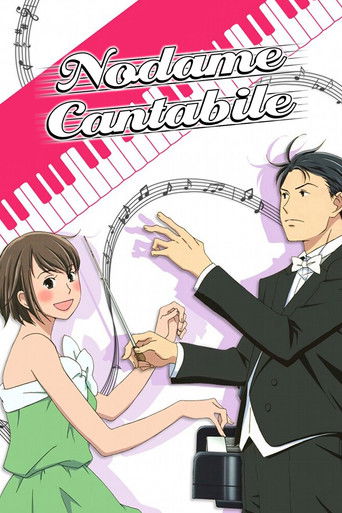
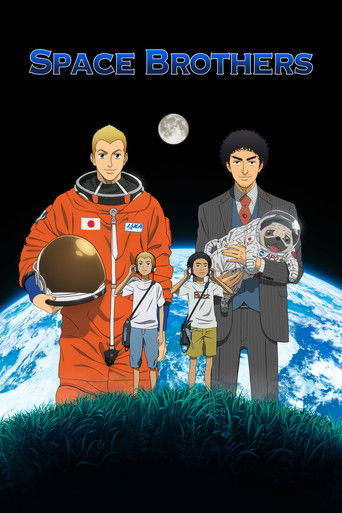
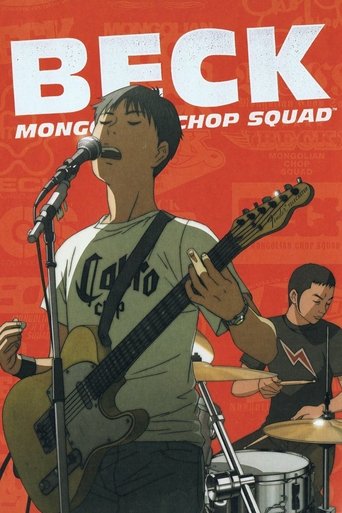
Some of the most rewarding anime are about people who love their work. Space Brothers, from Chuya Koyama, follows two brothers who promised as boys to go to space, one of whom has become an astronaut while the other, a laid-off car designer, finally decides to follow him. Silver Spoon, from Hiromu Arakawa, sends a city boy to an agricultural high school in Hokkaido, Kids on the Slope follows two boys who bond over jazz in the 1960s, with music by Yoko Kanno, and Beck: Mongolian Chop Squad follows a teenager who joins a rock band. Black Jack, from Osamu Tezuka, follows a brilliant unlicensed surgeon who takes on impossible cases for enormous fees, and Nodame Cantabile follows two very different students at a music conservatory. The Work, art and craft shelf gathers twenty-two of them.
The classics
The history of television anime begins with manga. Astro Boy, from Osamu Tezuka, the artist often called the god of manga, became Japan's first popular weekly animated series in 1963, following a robot boy with a heart of gold. The decades that followed brought Tomorrow's Joe, The Rose of Versailles, Candy Candy and Akira Toriyama's gag comedy Dr. Slump, about an inventor and the tiny, super-strong robot girl he builds. Rumiko Takahashi's Maison Ikkoku follows a hapless student in love with the young widow who manages his boarding house, one of the most beloved romantic comedies in manga, and Saint Seiya sent a band of young warriors in mythical armour to protect the goddess Athena. The 1963 to 1999 shelf gathers the classics.
Romance
Romance is at the heart of many manga, and the Romance shelf gathers thirty-five love stories. Lovely★Complex follows a tall girl and a short boy who bicker their way into love, Say "I Love You." follows a withdrawn girl who is drawn out of her shell by the most popular boy at school, and Marmalade Boy follows a girl whose parents swap partners with another couple, leaving her sharing a home with a charming new stepbrother. His and Her Circumstances, directed in part by Hideaki Anno, follows two model students who discover that they are both only pretending to be perfect. Kimagure Orange Road follows a teenage boy with psychic powers caught between two girls.
Spirits and the supernatural
Japanese folklore is full of yōkai, gods and spirits, and manga have brought them to life in countless ways. The Morose Mononokean follows a high-school boy who helps a young exorcist guide spirits to the other side. Nura: Rise of the Yokai Clan follows the quarter-yōkai heir to a great clan of spirits, and Hozuki's Coolheadedness is a deadpan comedy about the chief of staff of the Japanese underworld. The Spirits and the supernatural shelf gathers twenty-three of them.
Films from manga
Many manga have become films as well as series. In This Corner of the World, directed by Sunao Katabuchi from Fumiyo Kōno's manga, follows a young woman who marries into a family in the naval port of Kure during the Second World War; it is a tender, detailed portrait of everyday life and one of the finest Japanese animated films of the century. Tekkonkinkreet, from Taiyo Matsumoto's manga, follows two street orphans who guard a sprawling, magical city, and Children of the Sea, from Daisuke Igarashi's manga, follows a girl who spends a summer with two mysterious boys raised by dugongs, in breathtaking animation by Studio 4°C. Memories, an anthology produced by Katsuhiro Otomo, gathers three short films of dazzling invention. The Anime films from manga shelf also includes films from Dragon Ball, Naruto, One Piece, Doraemon and Initial D.
Subtitles and dubs
On the official services, nearly every anime on All Manga can be watched in Japanese with English subtitles, and many offer subtitles in a dozen other languages as well. Popular series often add English, Spanish, Portuguese, French or German dubs, and the choice is a matter of taste: the original voices carry the performances the creators intended, while a good dub lets you follow the pictures freely. The subtitles guide explains how to switch tracks.
How Watch now works
Pick your country from the list on any title page and press Watch now. JustWatch then shows the official services offering that anime where you live, divided into subscriptions, free tiers with adverts, and rentals or purchases. Choose one to start watching in its own app or website. Your country choice is remembered for next time, and the how to watch guide has the details.
The services behind the guide
Anime streams on a mix of specialist and general services. Crunchyroll and HIDIVE focus on anime and carry very large libraries, while Netflix, Prime Video, Disney+ and Hulu carry many series and films, and regional services cover Japan and other countries. Anime films can usually be rented or bought from Apple TV, Google TV and Prime Video. The where titles stream guide introduces each service, and Watch now always shows the current options for your country.
Free ways to watch
Legal free anime is easier to find than many people think. Some anime services offer selected episodes free with adverts, free services such as Tubi and Pluto TV carry anime channels and series in many countries, and some studios post first episodes on their official video channels. Press Watch now to see what is free where you live. The free anime guide has more.
Apps and devices
All Manga runs in any up-to-date browser on phones, tablets and computers, and it can be added to your phone's home screen. Episodes play in each service's official app, available for Fire TV, Google TV, Apple TV, Roku, games consoles and smart televisions. The apps and devices guide explains more.
My List for long series
Many manga adaptations run for dozens or hundreds of episodes, and My List helps you keep your place. Add a series from its page and tick each episode as you finish it, whether you are working through Hunter x Hunter, the long karuta tournaments of Chihayafuru or the family comedy of Chibi Maruko-chan. The list lives in your own browser, private to you, and Export and Import carry it to another device as a small file. The My List guide explains each button.
The official All Manga site
The real All Manga has a black page, a dark indigo bar and side rail with vertical labels, a serif ALL MANGA title beside a white pinwheel, two joined blue and green buttons and chapters numbered in typewriter type. Every Watch now button leads to JustWatch, and from there to the official services. The official site guide describes the design in detail.
Streaming safely
Keep streaming safe with a few simple habits: install apps only from official stores, give every service a unique password and two-step sign-in, and before you pay, confirm that the address bar shows the genuine service name. All Manga links only to JustWatch, which links only to official services. The safety guide sums it up.
Is All Manga working?
If pages feel slow, open the landing page and then any poster; when both load, All Manga is running normally. A reload, clearing the browser cache or trying another browser usually fixes the rest, and questions about playback belong with the streaming service that plays the episode. The site status guide lists each step.
Privacy
All Manga saves My List, your chosen country and your episode ticks in your own browser's local storage, and nowhere else; clearing your browser data removes them. The site loads posters from TMDB, its fonts and a small script for search and My List. The privacy page has the full details.
How the catalogue is chosen
Every title on All Manga was picked by hand. The shelves hold anime series and films adapted from manga, from 1963 to 2025, with a few series from novels and original stories that sit naturally beside them, and one live-action drama. Titles were chosen for their quality, their popularity and their place in the history of manga and anime, and each was screened individually. The guide leaves fan-service-led, ecchi, sex-led and gore-led titles to other corners of the web, and titles already on 123Anime, 1Anime, 4Anime, 1XAnime and the other Claude V2 guides stay with them, so each site keeps its own character. Posters and production details come from TMDB.
The story of All Manga
The name All Manga first belonged to a dark, minimal site that offered anime and manga side by side, greeting visitors with a serif title, a pinwheel and two joined buttons, one blue for anime and one green for manga. Its landing page is preserved in the web archive, and it gave the new All Manga its look. The new All Manga is an independent guide to anime adapted from manga, run by an editorial team of readers and viewers, and it points every visitor to the official services.
Your first visit
On your first visit, pause at the landing, then press the blue button to see every series or the green one to see every collection. Scroll down through the chapters, starting with the four readerships, and use the rail on the left to jump between them. If you already know what you want, type it into the search field in English or Japanese. Save anything that catches your eye to My List, and when you are ready, press Watch now.
How manga are published
Most manga begin life in magazines, published weekly, fortnightly or monthly, where readers follow many series at once, often a chapter at a time. Popular series are collected into paperback volumes, called tankōbon, and the most successful are adapted into anime, often by studios that follow the manga closely, chapter by chapter. Readers vote in magazine polls, and a series' popularity can decide whether it continues, which is one reason manga storytelling is so lively and responsive to its audience.
Reading and watching
Fans often debate whether to read the manga or watch the anime first. The anime brings colour, movement, music and voices; the manga offers the artist's original drawings, the pacing of the page and, often, story that the anime has yet to adapt. Many readers enjoy both, watching the anime and then continuing the story in the manga, or reading first and then enjoying the thrill of seeing favourite scenes come to life. Official digital manga services and bookshops in many countries make it easy to pick up the original.
Enjoy every chapter
Whatever you choose, from a commander of the royal guard at Versailles to a wandering healer of mushi, from two friends named Nana in Tokyo to space-debris collectors in orbit, the stories on All Manga carry the imagination of generations of manga artists onto the screen. Follow the chapters, jump along the rail, keep your place in My List, and when the final episode ends, open the manga or the next series. Share your favourites with friends and family, and pass on the stories that moved you most.
Understanding the readerships
The four readership labels are one of the most useful keys to Japanese popular culture, and one of the most misunderstood. They describe who a magazine was written for, rather than what its stories contain: a shōnen magazine may run a gentle comedy about a baker beside an epic fantasy, and a josei magazine may run a crime drama beside a romance. What they share is a sense of their readers' lives. Shōnen stories often celebrate effort, friendship and victory; shōjo stories explore feelings, relationships and identity with great visual flair; seinen stories give adult readers room for ambiguity, detail and slow-burning plots; and josei stories speak to adult women about careers, love, families and independence. The readership guide explains the four in more depth.
Leiji Matsumoto and the space opera
In the late 1970s, the artist Leiji Matsumoto created some of the most romantic science fiction in manga. Galaxy Express 999 follows a boy named Tetsuro who boards a steam train that travels between the stars, accompanied by the mysterious, elegant Maetel, on a journey to a planet where he hopes to receive a machine body. Space Pirate Captain Harlock follows a noble outlaw who sails a starship against a corrupt government and alien invaders. Both are melancholy, beautiful and full of Matsumoto's distinctive long-limbed characters and poetic ideas, and they influenced generations of anime.
Slice of life and school clubs
Some of the most popular manga are about ordinary life, told with warmth and humour. Azumanga Daioh, from Kiyohiko Azuma, follows a group of high-school girls and their eccentric teachers through three years of small adventures, and it helped define the modern four-panel comedy. Hidamari Sketch follows four girls living in an apartment building across the road from their art high school, Lucky Star follows a lazy, game-loving student and her friends, and Genshiken follows the members of a university club devoted to the study of modern visual culture, a loving portrait of fan life. Tanaka-kun Is Always Listless is a gentle comedy about a boy who wants only to nap.
Food and drink
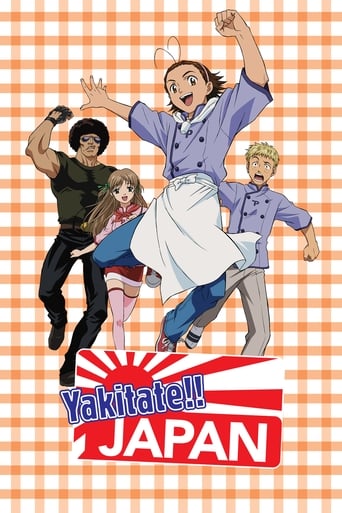
Manga have always loved food, and several adaptations on the shelves are a feast. Yakitate!! Japan follows a boy with remarkably warm hands, perfect for kneading dough, who dreams of creating a national bread for Japan, in a series full of outrageous baking contests. Bartender follows a gifted bartender in Tokyo's Ginza district whose drinks seem to understand exactly what each customer needs, Poco's Udon World follows a web designer who returns to his home town in Kagawa and finds a tanuki child in his family's old noodle shop, and Restaurant to Another World imagines a Tokyo restaurant whose door opens once a week onto a fantasy world. Moyashimon follows an agricultural student who can see and talk to microbes, which turns out to be very useful for making sake.
Growing up
Coming-of-age stories are at the heart of manga, and some of the most sensitive are on these shelves. Kodocha follows a cheerful child actress who takes on the most troublesome boy in her class, and discovers the hurt behind his behaviour. Wandering Son, from Takako Shimura, follows two friends at the start of adolescence as they explore their gender identities, a gentle and thoughtful series admired for its care. Emma: A Victorian Romance, from Kaoru Mori, follows a young maid in nineteenth-century London and the wealthy young gentleman who falls in love with her, told with extraordinary attention to the details of the period.
Great manga artists
Many of the creators behind these adaptations are legends. Osamu Tezuka pioneered the cinematic style of modern manga and created Astro Boy and Black Jack. Rumiko Takahashi, one of the best-selling artists in the world, created Maison Ikkoku among many hits. Naoki Urasawa is famous for intricate thrillers such as Master Keaton. Ai Yazawa's fashion-conscious drawings made NANA and Paradise Kiss icons of style, Mitsuru Adachi's quiet, perfectly timed sports romances are unlike anyone else's, and Hiromu Arakawa, famous for Fullmetal Alchemist, drew on her own upbringing on a Hokkaido farm for Silver Spoon. Following an artist from one series to the next is one of the great pleasures of manga.
From page to screen
Adapting a manga into anime is a craft of its own. The studio must turn black-and-white drawings into colour, decide the voices and music, and translate the rhythm of the page, where readers set their own pace, into the fixed rhythm of an episode. Some adaptations follow the manga panel by panel, while others take liberties to suit television schedules, especially when a series catches up with a manga still being published. Directors such as Shinichiro Watanabe, Masaaki Yuasa and Hideaki Anno have brought strong personal styles to manga adaptations, and the result can be a work that honours its source while becoming something new.
Manga anime through the decades
Browsing by decade reveals how manga adaptations have changed. The 1963 to 1999 shelf is full of pioneering series with hand-painted cels and heroic theme songs. The 2000 to 2009 shelf brings the first great wave of digital animation and the rise of late-night series for adult viewers. The 2010 to 2019 shelf is rich in slice-of-life, sports and quiet dramas, and the 2020 onward shelf gathers the newest adaptations released around the world at the same time as in Japan.
Theme songs and soundtracks
Anime theme songs are an art form in themselves. Every season opens and closes with specially written songs, often performed by famous bands and singers, and the best become hits in Japan and beyond. Soundtracks can be just as memorable: the jazz of a 1960s port town, the rock of a struggling band, the gentle guitar of a countryside healer's wanderings. Listening to an opening sequence again after finishing a series often brings back the whole story in ninety seconds.
A quiet anime evening
For a quiet evening, choose a healing anime or a gentle seinen series with self-contained episodes, and let two or three wash over you. Many of these series are designed to be savoured slowly, with long, beautiful shots of landscapes and small moments of kindness. Pair them with a cup of green tea and an early night, and you will understand why fans call them healing.
A weekend marathon
For a weekend marathon, choose a shōnen or sports series with a clear goal, a tournament, an exam or a championship, and follow it from the first episode to the final match. These stories are built for binge-watching, with cliffhangers at the end of almost every episode and rivals you will come to love as much as the heroes. Tick your progress in My List, take breaks for meals, and enjoy the rush when the final whistle blows.
Manga in libraries and bookshops
Many public libraries now have generous manga shelves, often organised by the same readerships this guide uses, and bookshops around the world stock translated editions of the classics and the latest hits. Official digital manga services let readers follow new chapters as they are published in Japan. After finishing an anime, looking up the original manga is a lovely way to see the story as its creator first drew it, and to continue it beyond the final episode.
Karuta, go and the art of the game
Manga have a special gift for making traditional games thrilling. Chihayafuru, from Yuki Suetsugu, follows a high-school girl who falls in love with competitive karuta, a fast and physically demanding card game based on a classical anthology of one hundred poems. Players must memorise every poem and snatch the matching card the instant the reader begins to recite, and the series turns each match into an electrifying duel while exploring friendship, rivalry and first love. Its success sent thousands of young people to karuta clubs, and it is a wonderful introduction to a corner of Japanese culture that many viewers abroad are meeting for the first time.
History and adventure
Historical settings give manga some of their grandest stories. The Heroic Legend of Arslan follows a young prince fighting to reclaim his kingdom in a world inspired by ancient Persia, drawn by Hiromu Arakawa from a series of novels. Golden Kamuy brings the Hokkaido frontier of the early twentieth century to life, with close attention to the culture of the Ainu people. Kingdom follows an orphan in China's Warring States period who dreams of becoming the greatest general under the heavens, and Descending Stories recreates the world of rakugo storytelling across the decades after the Second World War. These series reward curiosity about history as well as a love of adventure.
Comedy
Manga comedy ranges from gentle observation to wild slapstick. Beelzebub follows the toughest delinquent at a notorious high school who finds himself babysitting the infant son of the Demon Lord, Wagnaria!! follows the eccentric staff of a family restaurant in Hokkaido, and How to Keep a Mummy follows a boy whose father sends him a tiny, adorable mummy from Egypt. Space Dandy, an original series from the director of Cowboy Bebop, follows an alien hunter with a magnificent pompadour on a string of gloriously silly adventures. Comedy is also a wonderful way to get to know Japanese everyday life, from school festivals to office parties.
Mystery and suspense
Seinen and shōnen magazines have produced some of the most gripping mysteries in any medium. Kaiji turns games of chance into nerve-shredding tests of psychology, Darker than Black follows a cold, efficient agent with extraordinary powers in a Tokyo transformed by a mysterious event, and Dimension W imagines a future powered by energy from another dimension. Hell Girl is an anthology of dark tales in which people wronged by others can call on a mysterious girl for revenge, at a terrible price. These series suit viewers who love puzzles, atmosphere and moral questions.
Choosing by readership
If you are new to manga adaptations, the readerships are a helpful compass. Choose shōnen for momentum, rivalry and friendship; shōjo for romance, emotion and striking visual style; seinen for mature themes, detail and slow-burning plots; josei for realistic stories about adult lives and relationships. Then cross the lines: some of the most rewarding discoveries come from reading or watching outside the audience you might expect to belong to, and the best stories speak to everyone.
The pinwheel and the two doors
The original All Manga greeted visitors with a white pinwheel beside its name, and two doors: a blue one for anime, a green one for manga. The new guide keeps that image because it describes what manga adaptation is about. The pinwheel turns as one, however many blades it has, just as a story can move between page and screen, and the two doors lead to the same house. Whichever door you open first, the story waiting inside is the same one its creator first drew by hand.
The art of the manga page
A manga page is built from panels of different shapes and sizes, read from right to left and top to bottom in the Japanese original. Artists use the layout to control time: a sequence of small panels can slow a moment to a crawl, while a single page-wide image can stop the reader in their tracks. Speed lines, screentone shading and expressive symbols such as sweat drops and sparkles form a visual language that fans quickly learn to read. Anime adaptations borrow many of these techniques, and noticing them on screen is a fun way to connect the two forms.
Voice actors
In Japan, voice actors, known as seiyū, are celebrities in their own right, with fan clubs, concerts and radio shows. Many of them have voiced dozens of beloved characters across these shelves, and fans often follow a favourite voice from series to series. The cast list on every title page names the voice cast, so you can discover which other characters your favourite performers have brought to life.
Anime seasons
New anime premiere in four seasons each year, in winter, spring, summer and autumn, and most series run for one or two of these seasons, usually twelve or twenty-four episodes. Longer adaptations of popular shōnen manga may run for years, week after week, while short series tell a complete story in a single season. The episode tags under every poster tell you at a glance how long a journey each series will be.
Translating manga and anime
Bringing manga and anime to readers and viewers abroad is a craft that has grown enormously since the 1990s. Translators must find ways to carry wordplay, honorifics, regional dialects and cultural references into another language, and to fit their words into speech bubbles or the timing of a subtitle. Some translations keep Japanese terms such as senpai or itadakimasu, trusting fans to learn them; others find natural equivalents. Official translations today are faster and more faithful than ever, and many series now appear in dozens of languages at the same time as in Japan.
A worldwide community
Manga and anime have become a truly global culture. Conventions in cities from Paris to São Paulo draw huge crowds, fans create their own art and costumes, and translated manga fill the bestseller lists of bookshops across Europe and the Americas. The stories on these shelves began in Japanese magazines, but they now belong to readers and viewers everywhere, and each new generation finds its own favourites among the classics and the latest hits. Joining that community, whether at a local club or among friends, adds a whole new dimension to the stories.
Your first series
If you are choosing your very first manga adaptation, start with something short and complete: a single season of twelve episodes lets you enjoy a whole story in a weekend and discover which kinds of manga you like best. From there, follow your taste into the shelf that suits it, and let the recommendations of friends, the chapters of this guide and the rail on the left lead you to your next favourite.
Collecting and rewatching
Many fans collect the manga volumes of their favourite series, lining their shelves with colourful spines, and return to the anime every few years. A second viewing often reveals details missed the first time: a background joke, a foreshadowing glance, a line of dialogue that means something new once you know the ending. Keeping favourites in My List makes it easy to come back to them whenever you need a familiar friend.
Questions
What is All Manga?
All Manga is a guide to anime adapted from manga, arranged by the readership of the source magazines, shōnen, shōjo, seinen and josei, with a Watch now button for every title that opens it on the official services in your country.
What do shōnen, shōjo, seinen and josei mean?
They are the readerships of Japanese manga magazines: teenage boys, teenage girls, adult men and adult women. The stories often reach far beyond them.
How do I watch an anime?
Open the title page, choose your country and press Watch now. JustWatch opens with the official services that carry it where you live.
Is there English audio?
Many popular series have English dubs, and almost every title has English subtitles on the official services.
Which anime should I start with?
Mushi-Shi, NANA, Planetes, Fruits Basket and Hunter x Hunter each show a different side of manga adaptation.
Can I search in Japanese?
Yes. Every title shows its original Japanese title, and the search field understands it.
Are there films?
Yes. The films shelf includes In This Corner of the World, Tekkonkinkreet, Children of the Sea and films from long-running series.
How do I keep track of long series?
Add the series to My List and tick the episode you reached. Your place is kept in your browser.
Can I move My List to another device?
Yes. Export My List to a small file, then import it on the other device.
Where do the posters and details come from?
Posters and production details come from TMDB, and the guides and descriptions are written for All Manga.